Go From Being Ignored To Being Impossible To Ignore.
Hospitals and insurance companies don't respond to emotion; they respond to procedure.
What's Inside:
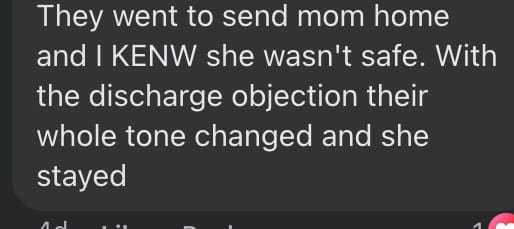
- "They're Ready To Go Home": But your loved one clearly isn't. The exact words that make a hospital take you seriously + the Medicare fast appeal behind them.
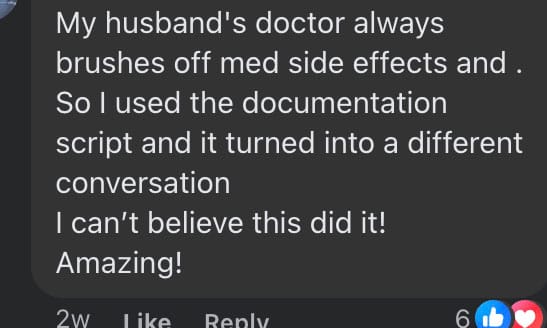
- "That's Normal For Their Age": What to say when the doctor talks over you, waves off your concerns, and won't write down the side effects you're watching.
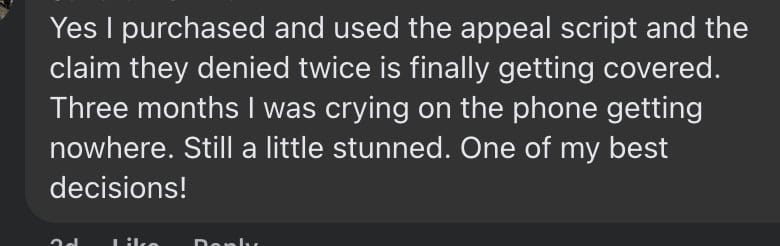
- "We Regret To Inform You": How to fight any insurance denial and turn their own rules against them.
- "They're Out Of Refills": But it's the medication they depend on. Get the prescription unstuck before they miss a dose.
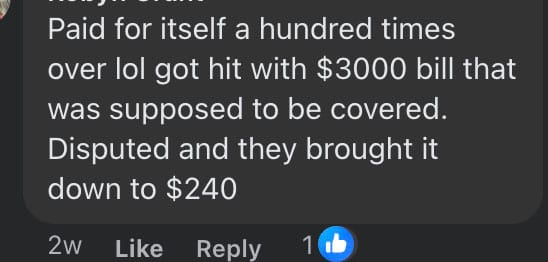
- "That'll Be $5,029.31": The surprise bill that shouldn't have landed on you — exactly what to do before you pay a cent.
- "We'll Get To Them": The understaffed facility leaving your mom in her own waste. The people they answer to — and how to bring them in.
- "We Can't Release Those Records": Even though they're legally yours. How to invoke your right of access and put them on the clock.
- It's 2 A.M. And You Don't Know Where To Start: A step-by-step system to get you steady, informed, and in control from minute one.
A total of 110+ word-for-word scripts, templates, logs, trackers, and worksheets — what to say, what to send, and exactly what to do when they push back. Across the ER, hospital discharge, insurance and billing, Medicare appeals, prescriptions, doctor visits, nursing homes, medical records, and more (PDF, ePub, Google Doc).
Stop Pleading. Start Handling.


The Discharge Objection
The hospital says your loved one is ready to go home. You know they're not.
Don't Say: "I don't think they're ready." / "Can you please keep them one more day?" / "I'm really worried about taking them home like this."
(Result: Noted and ignored. No obligation for the hospital to do anything differently.)
Say This Instead: "[Loved One] is still experiencing [specific symptoms]. I'm formally objecting to discharge while these issues are unresolved. I need this documented in [his/her] chart:
1. Caregiver raised concerns about [specific issues]
2. Hospital proceeded with discharge despite stated concerns
3. Caregiver stated [he/she] cannot safely manage [specific care needs] at home
What is the medical justification for discharge given [stated continuing symptoms]?"
Why it works: The first version is a worried family member asking for a favor. The second is a formal objection that goes into the medical record — and the hospital knows it. Same situation. Completely different outcome.
And that's just one.
The Vault includes discharge scripts for fall risk, declining mental status, symptom control, insurance-driven discharge, no home-care plan, and more — plus the Medicare Fast Appeal (QIO) that stops the discharge clock.
What You're Getting:
- The Complete Medical Advocacy Vault — 110+ scripts and tools across every high-stakes healthcare conversation
- The "Paper Trail" Bonus Tools — Financial Transaction Log, Insurance Claims & Appeals Tracker, Treatment Financial Impact Summary, Complaint Escalation Maps
- Free Updates — receive all future updates to the Vault for FREE
LAUNCH SALE — Limited Time
That's less than you lost on 1 undisputed billing error.
And MUCH less than a preventable denial or hospital readmission.
Get The Vault — $37If these scripts don't work for you for ANY reason, email me for a full refund. No questions asked. Either get results or your money back.
Why You're Currently Losing The Fight
You asked nicely. You were persistent. You may have even printed a guide or watched a few videos. And you still got stonewalled.
The problem isn't you. The problem is you're using emotional language on institutions that respond to procedural language.
The medical system isn't broken. It's working exactly as designed.
Not because they don't deserve it.
Because no one gave them the exact words.
Path A: Keep pleading. Keep explaining. Keep getting "noted and ignored." Pay the bill, accept the denial, take them home too soon — and wonder what would have happened if you'd known what to say.
Path B: Start acting like a professional. Use formal procedures and scripts designed by people who understand the medical system.
This page is for people who choose Path B.
Picture This:
They want to send your mom home today. You can see she isn't ready.
You can either:
A) Plead. Get "noted." Watch them wheel her out anyway — and pray you can manage at home.
B) Instead of your heart racing, you calmly open the Vault, read the words that put your objection on the record, and trigger the fast appeal most families don't even know they can file. You handle it like a professional.
Quick Answers
"Won't I come across as aggressive or confrontational?"
Just the opposite. These aren't threats — they're calm, specific, documented requests. A formal objection delivered politely is exactly what institutions are trained to respond to. You sound less like an upset relative and more like someone who knows the process.
"Is this legal? Am I allowed to say these things?"
Everything in the Vault is built around rights you already have — the right to appeal a denial, to formally object to a discharge, to dispute a bill, to request documentation. The scripts simply help you invoke those rights using the right words.
"My situation is complicated — will generic scripts work for me?"
The scripts are built to be filled in with your specifics — the symptoms, the care needs, the bill, the denial reason — and they're organized by exact situation, not vague categories. You're not memorizing a speech; you're dropping your details into pre-built language.
"What if my hospital or insurer handles things differently?"
The scripts work on the underlying process every U.S. hospital and insurer is bound by — the appeal, the formal objection, the documented request. The specific names and forms may differ, but the procedural triggers are the same, and the Vault shows you how to use them.
"Why is this $37 when appeal letter templates exist for $15?"
A $15 template covers one letter for one situation. The Vault covers every high-stakes conversation — discharge, ER, denials, surprise bills, dismissive doctors, supervisor escalations and much more — with the follow-ups for when they push back, plus the documentation tools that protect you. It's the difference between one letter and the whole system.
"How quickly can I actually use this?"
Immediately. You get instant access the moment you order — open it on your phone in the waiting room or the hallway and read the words you need. Most people use their first script within 24 hours.

Sarah Mitchell
When my mother was discharged too early and our first insurance denial arrived, I didn't know what to say. And asking nicely wasn't working. With the work of professionals and other caregivers, I spent years compiling the language that actually makes a difference. These scripts are what I wish I'd had on day one.